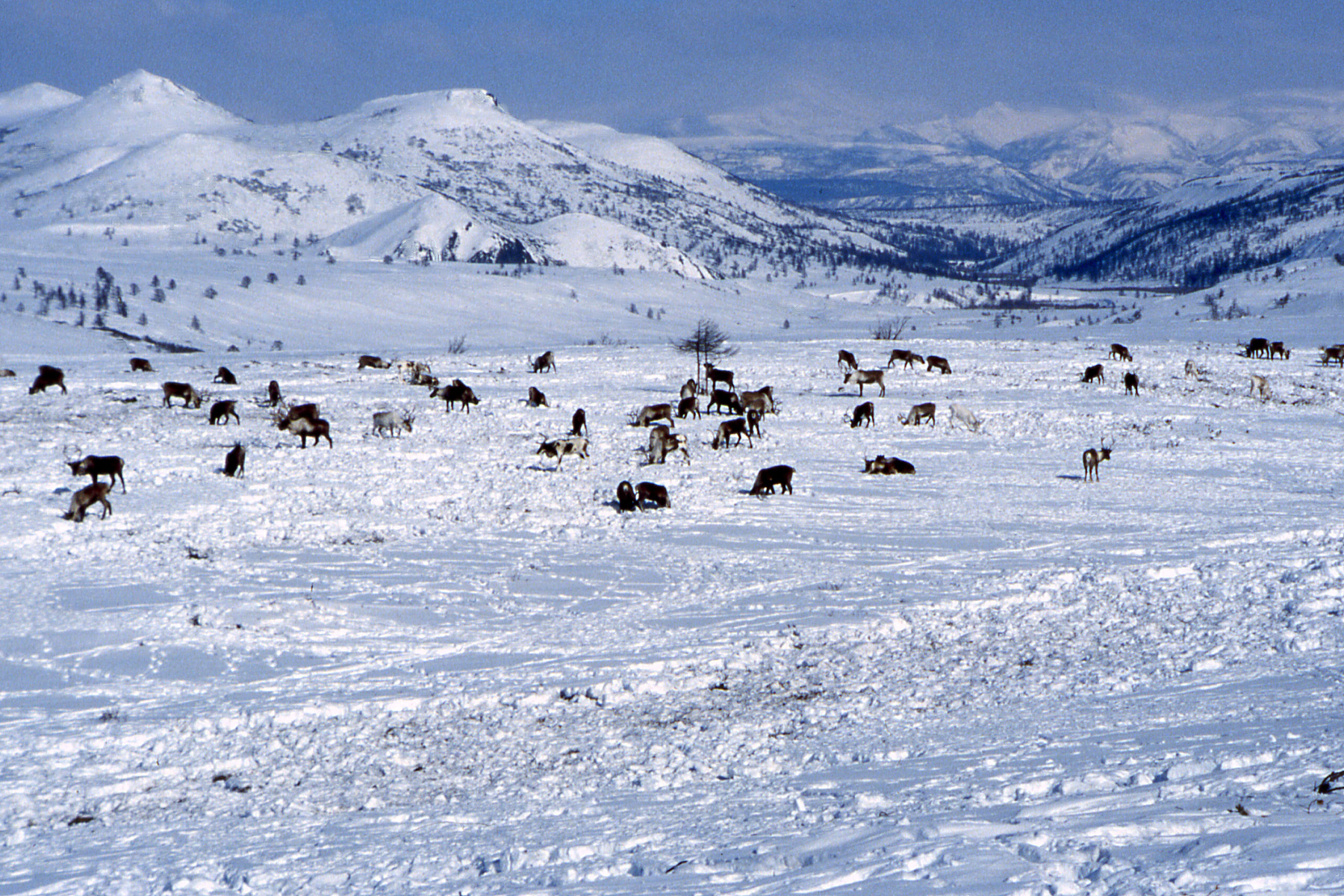
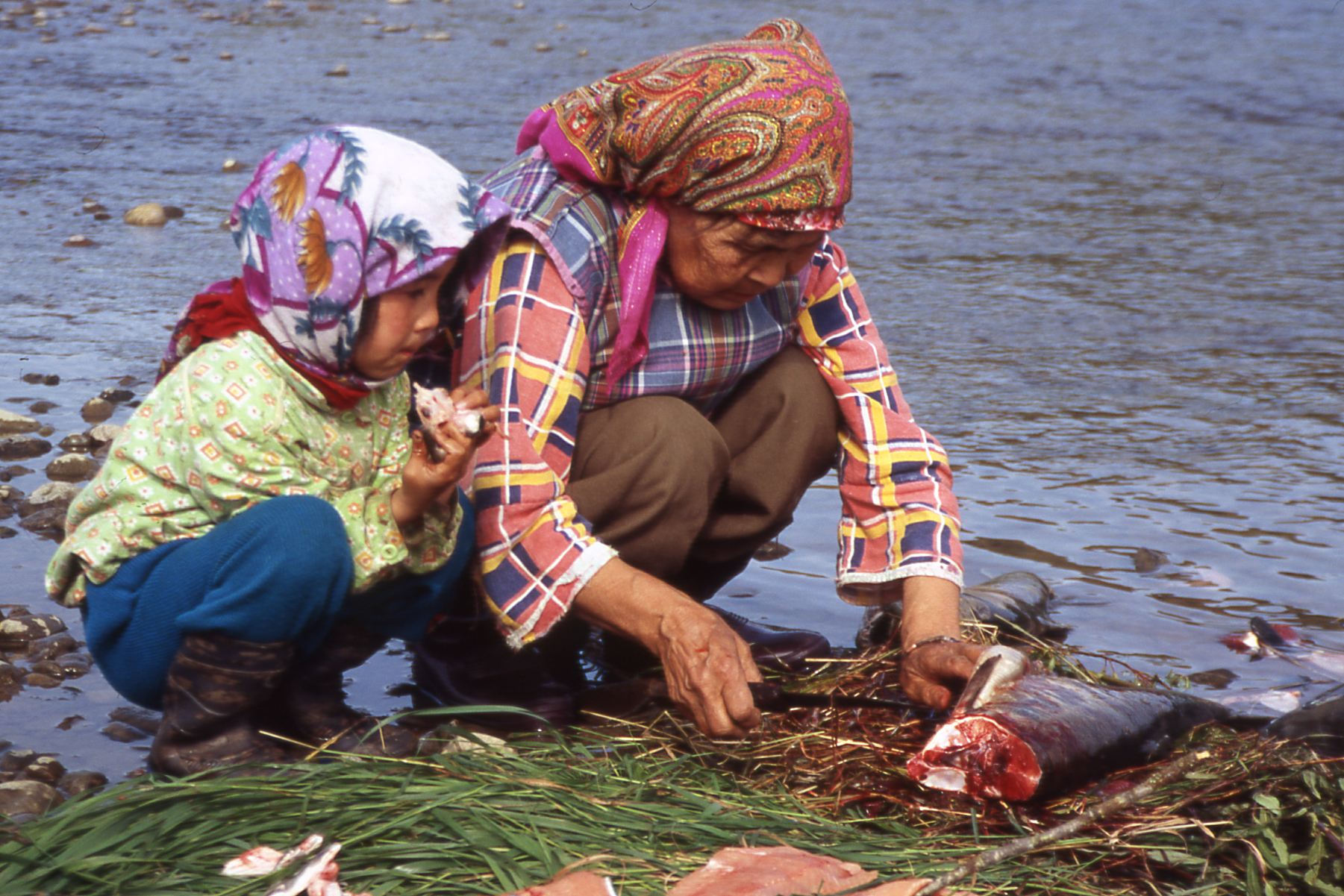
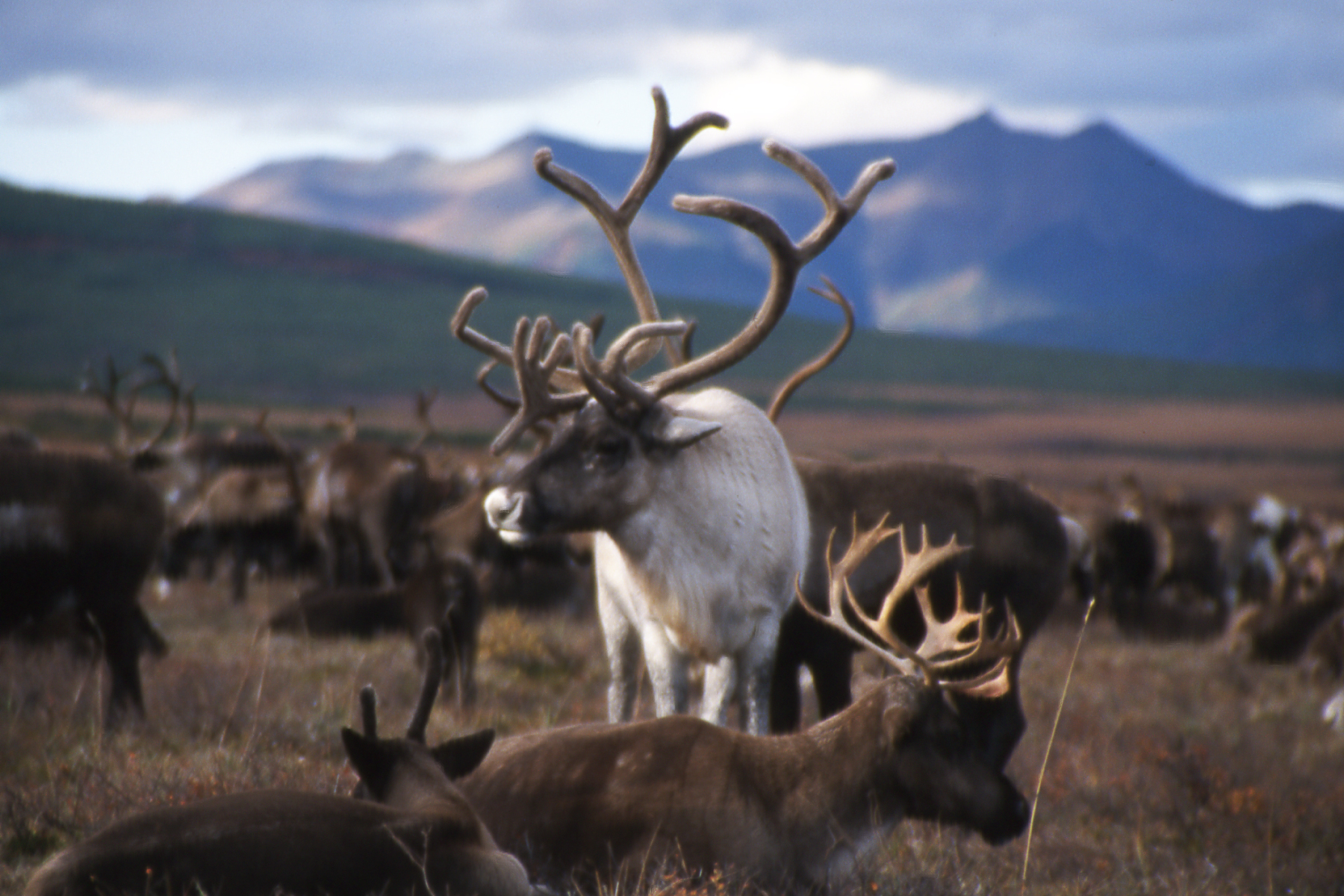
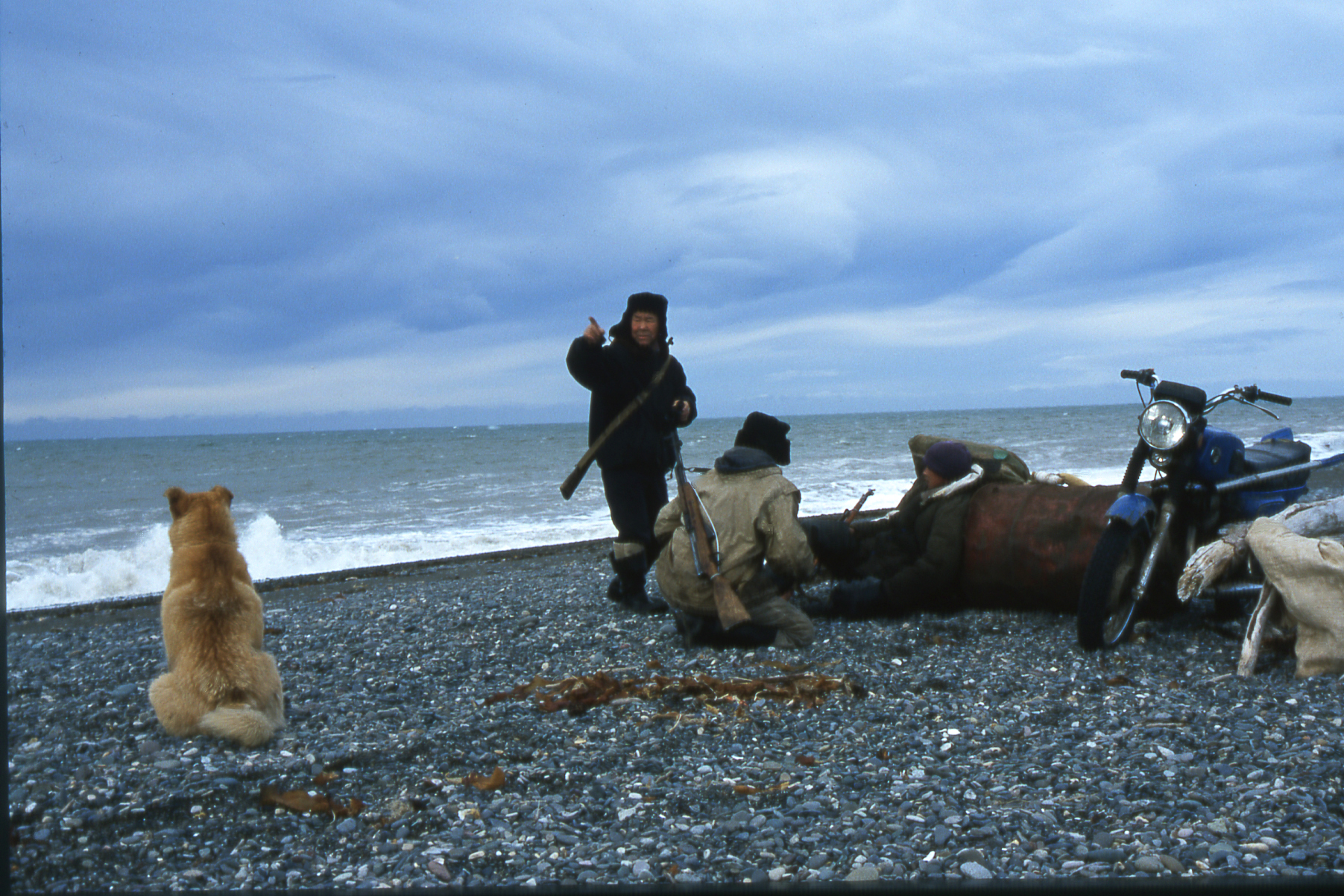
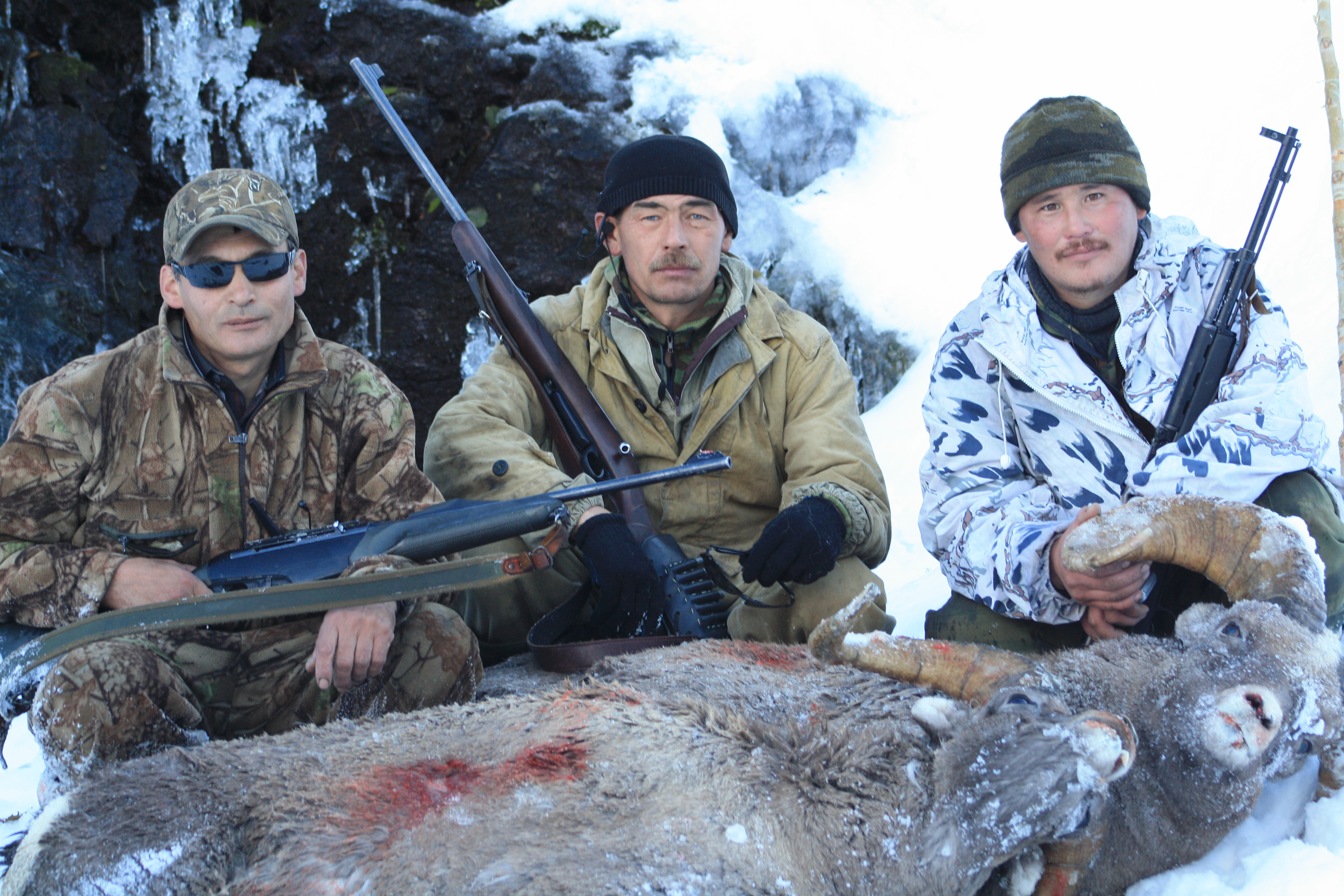
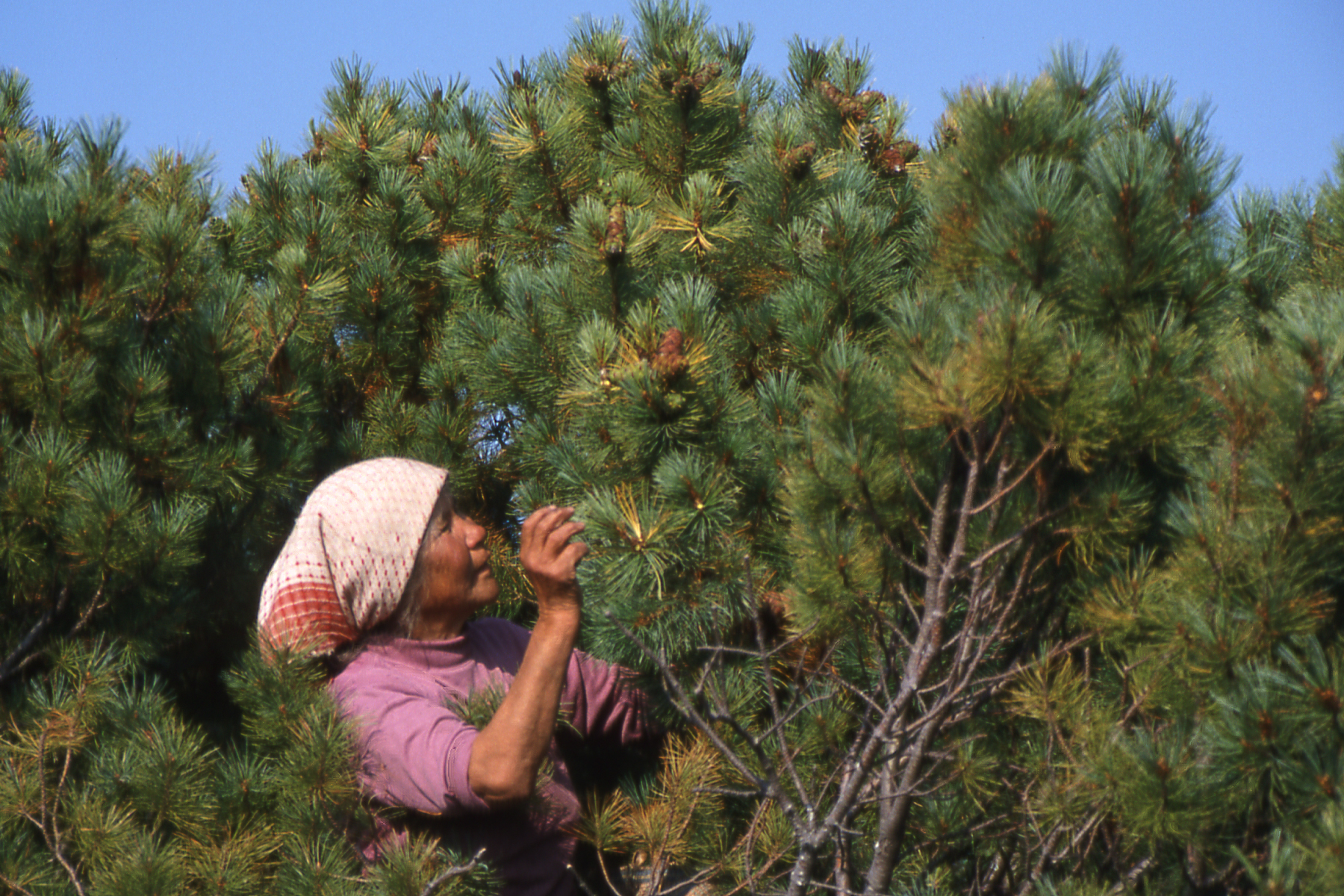
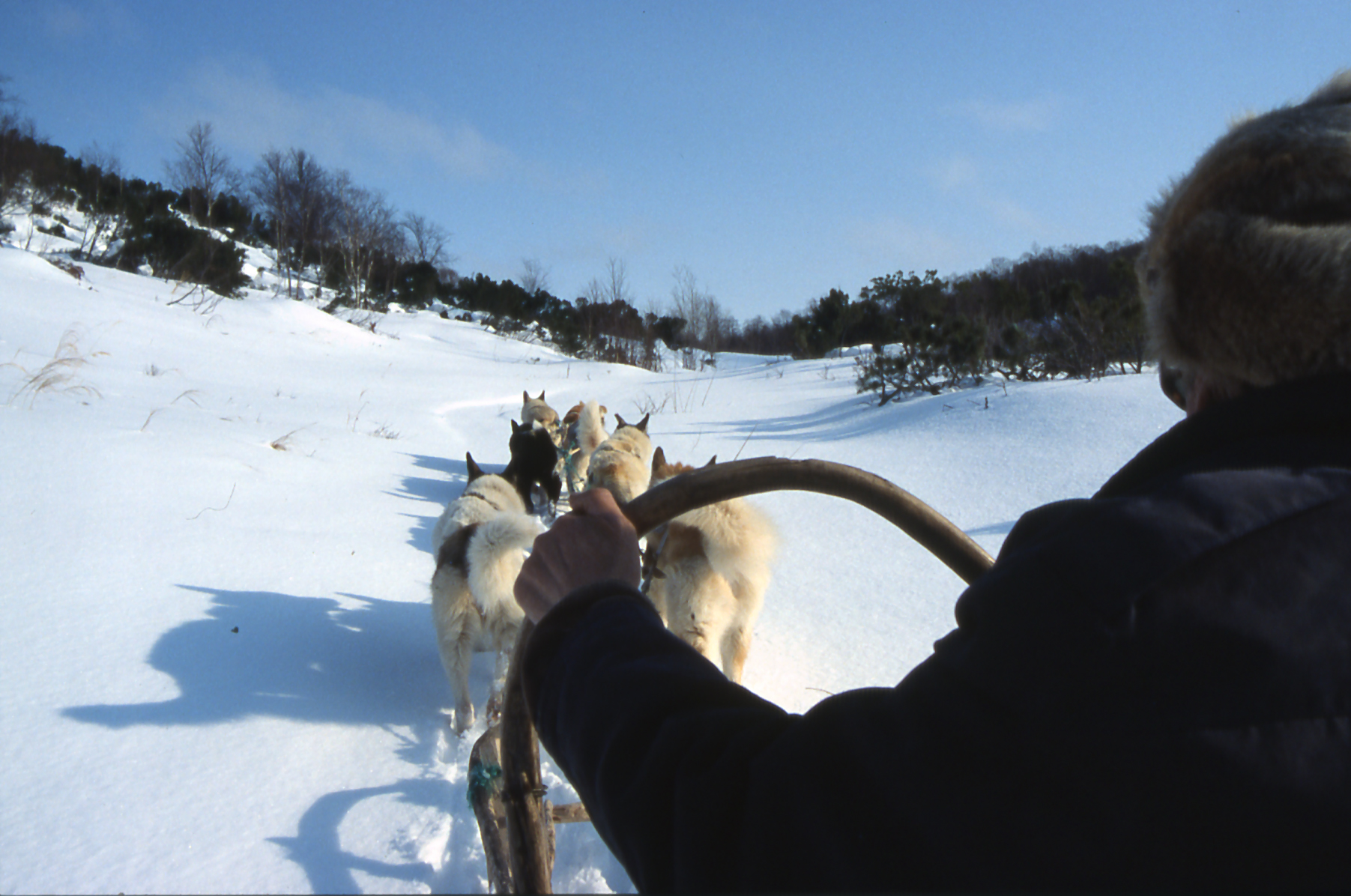
Despite its extreme climate the North offers a wealth of food resources. Knowledge of the sustainable use of these and a lifestyle that reflects this have been handed down from generation to generation over thousands of years. At the same time, technologies and knowledge of other nations were integrated into one’s own traditional knowledge. This is how most indigenous peoples of the North managed to hold on to the autonomy and control of their own subsistence for a long time. Since the 19th century, colonization, Soviet collectivization and modern extractive industries have intervened increasingly, exerting an influence on the volume and type of natural resources available to the northern indigenous peoples. The principal resources in the coastal regions of the Arctic are fishing and sea mammal hunting. Together with reindeer herding further inland and the hunting of terrestrial animals they ended up developing complementary dual economic systems. Exchange and trade guaranteed a high degree of resilience during periods of limited supplies. At the same time, both the inland and coastal communities would make the most of the short summer season to gather plants and berries which could provide vitamins for the rest of the year, if preserved properly.