Themes

Indigenous knowledge and languages

Indigenous knowledge and languages are documented here largely since their preservation is one of the principal objectives of this initiative.

Indigenous knowledge

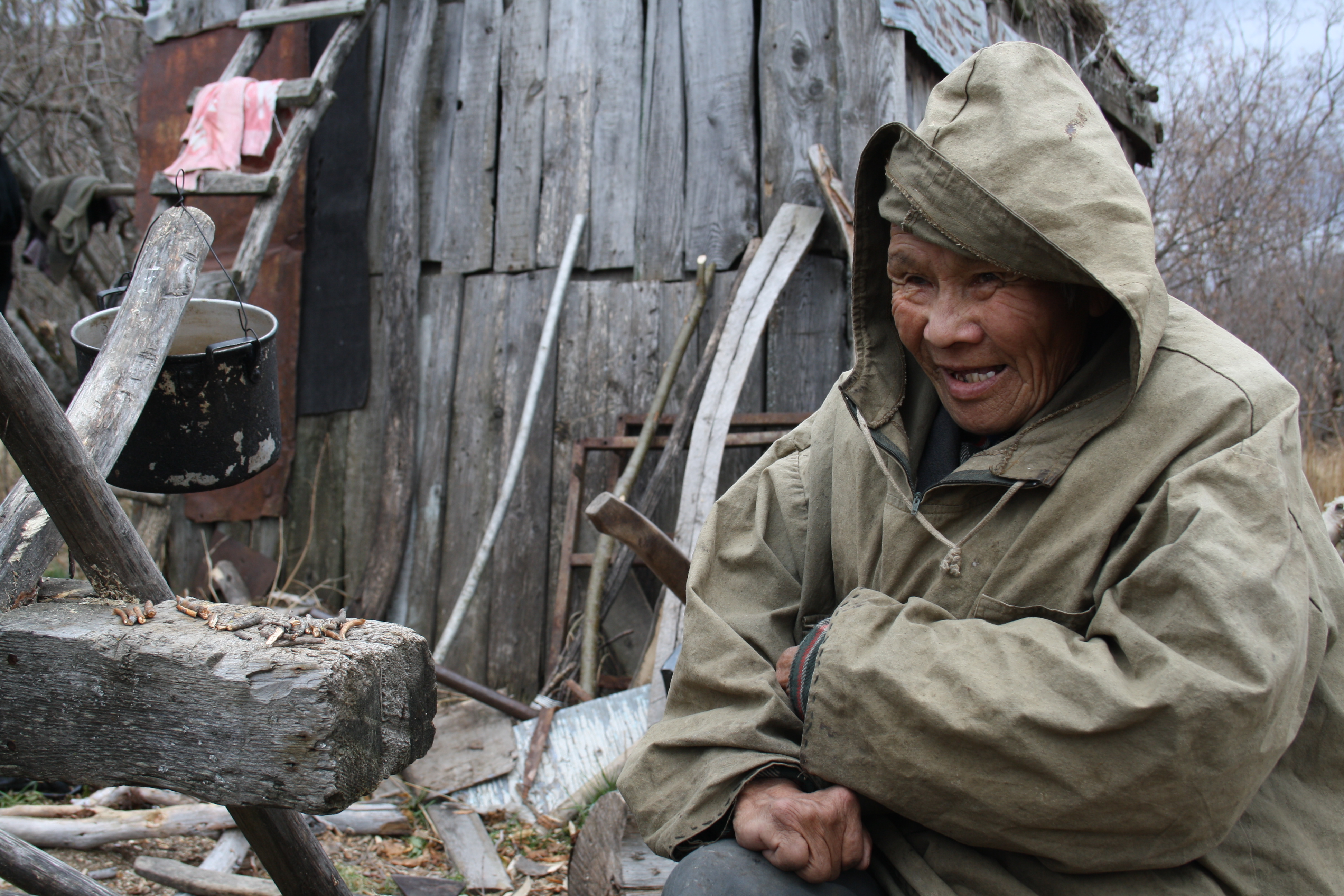
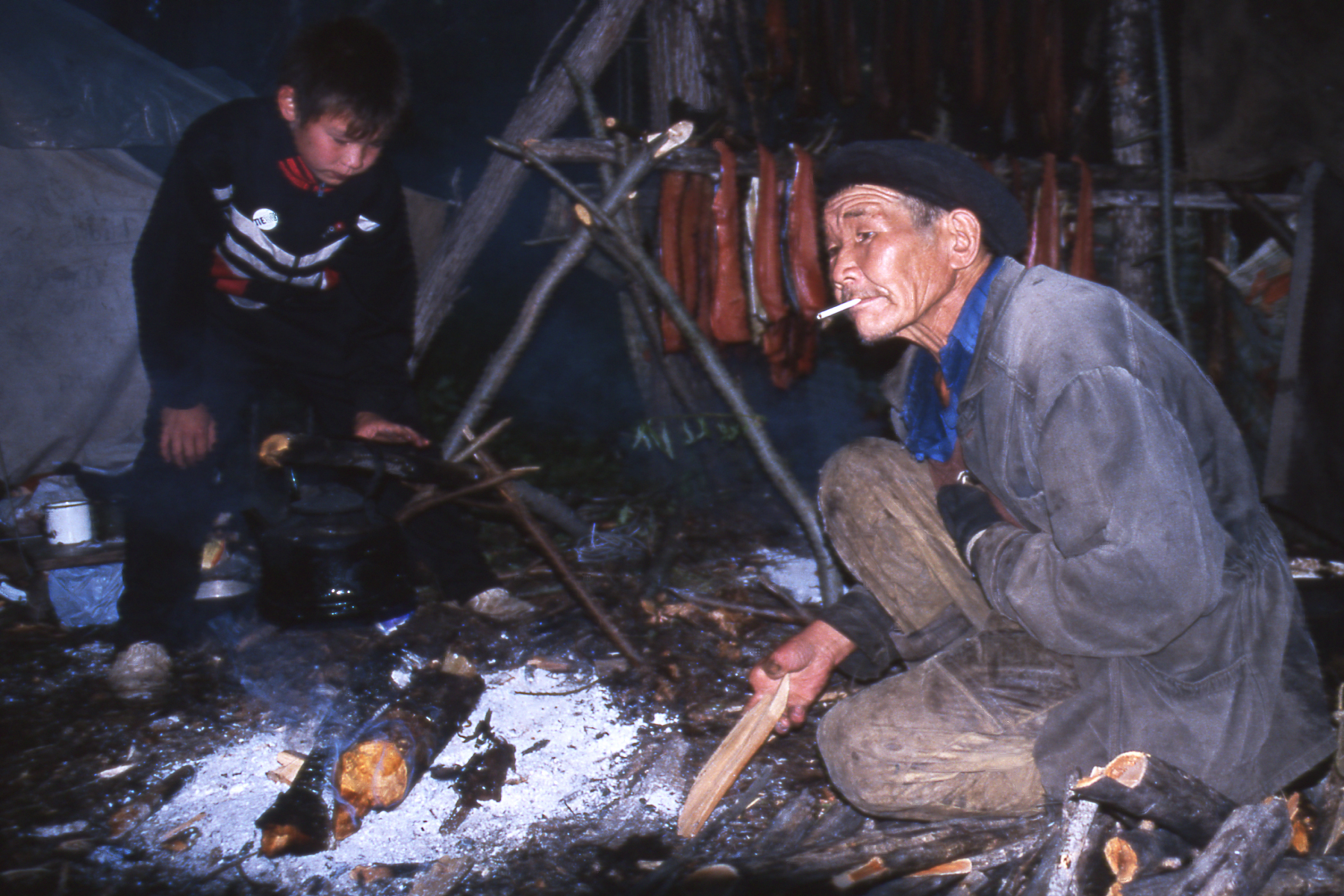
Thanks to the traditional knowledge of their ancestors the indigenous peoples of the North have managed to survive in often difficult conditions until today. This is also partly due to the 4 knowledge and experience of other nations which was integrated into their own culture. Social and economic development has thus been enhanced in many cases. The new communication technologies and growing globalization are leading to rapid change, even in the most remote areas, impacting the sustainable use of the environment and corresponding lifestyles and values. Sustaining and transmitting traditional indigenous knowledge thus has to face new challenges.
Indigenous knowledge

Oral tradition

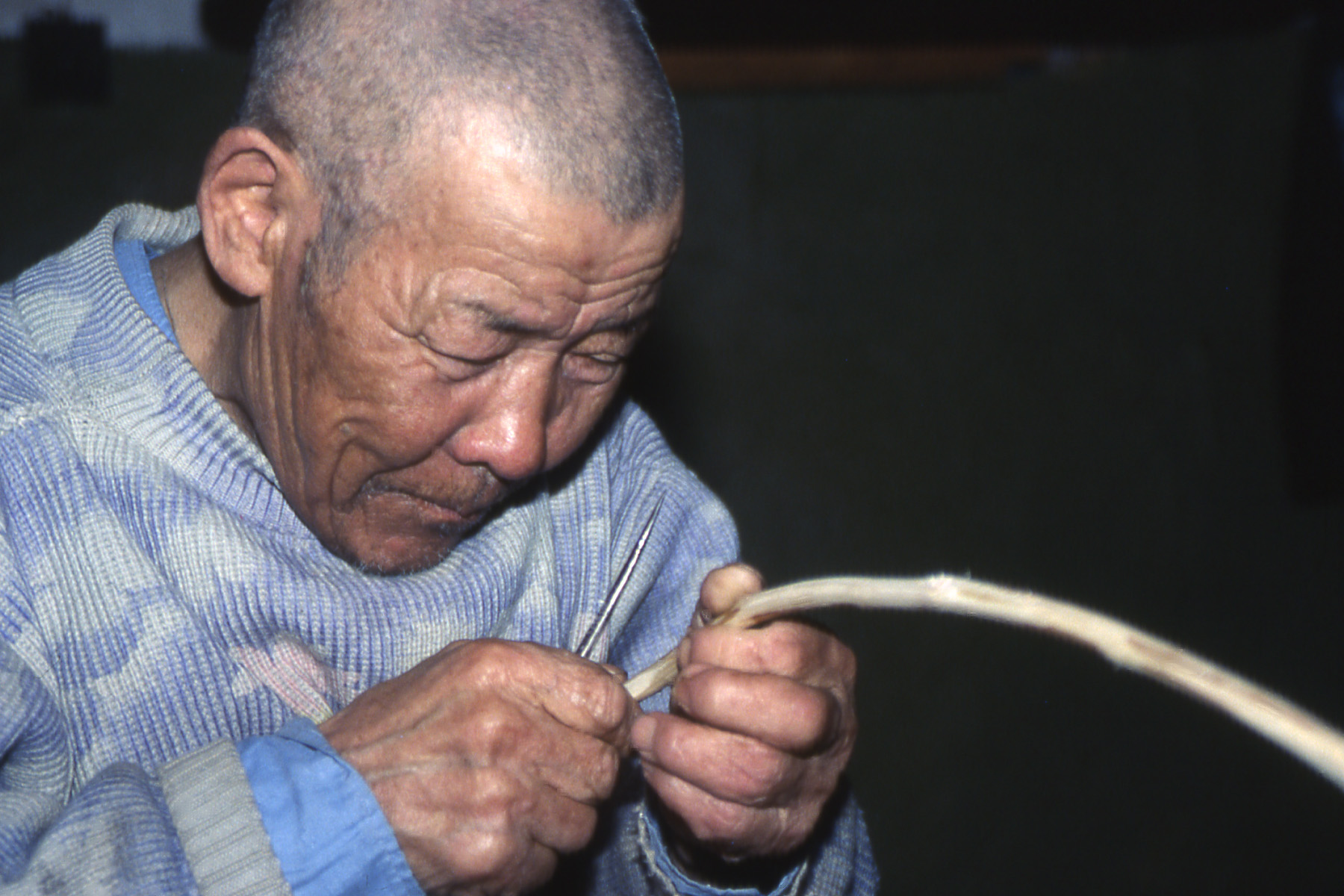
Practical knowledge is usually taught through participant observation and repetition of the activities observed. Social behaviour and values are taught to children and teenagers, often in an entertaining way, especially thanks to the oral tradition. Traditional narrative modes, however, are becoming less and less popular compared to the new media. Sustaining oral traditions is thus of particular importance. Recording them before it’s too late using new forms of digital transmission may contribute in this respect. Parts of recorded narratives by the Yukaghir, Even, Itelmen and Nanai can already be consulted in the digital library, some examples of which concerning the Even are shown here. Other recordings of the Koryak and in particular their raven tales will soon be available.

Oral tradition

Endangered languages

The wealth of indigenous knowledge is best transmitted through the languages of the indigenous peoples. Since many of these languages are endangered, such a loss would also endanger other aspects of the highly valuable cultural heritage of these peoples. This is why documentation of the culture of these peoples is presented here whenever possible in the respective indigenous languages, thereby serving also as learning materials in sustaining these languages. Audio documents on different themes are already available in the digital library for the following indigenous peoples: Nanai, Even, Itelmen, Koryak, Chukchi, Yukaghir. Their cultural heritage is thus rendered easily accessible to younger generations and preserved through these documents. It should be noted, though, that such initiatives do not replace traditional forms of transmitting knowledge. At best, their function is complementary.

Endangered languages

Sustaining Indigenous knowledge and endangered languages

Sustaining endangered languages and indigenous knowledge as well as its integration into global contexts has not only been the subject of publications but also projects and events. The Foundation of Siberian Cultures organized the workshop Preserving Endangered Languages and Local Knowledge, as well as another workshop held in Kamchatka entitled Fol’klor i khudozhestvennoe tvorchestvo narodov Severa Kamchatki. During their stay as visiting scholars at the Foundation, indigenous experts and Erich Kasten co-produced audio recordings for publications and learning materials. Another project was dedicated to the mathematical indigenous knowledge of the indigenous peoples of Kamchatka. The results were discussed during a workshop at the Foundation. The DVD Sustaining Indigenous Knowledge shows pedagogical methods and learning materials from different parts of the world that indigenous communities use to preserve their knowledge and language.

Sustaining Indigenous knowledge and endangered languages