Themes

Worldviews and rituals

Worldviews and rituals offers insights into visions of harmonious interaction between man and nature and how appropriate behavior in this respect is communicated through ritual.

Worldviews and rituals

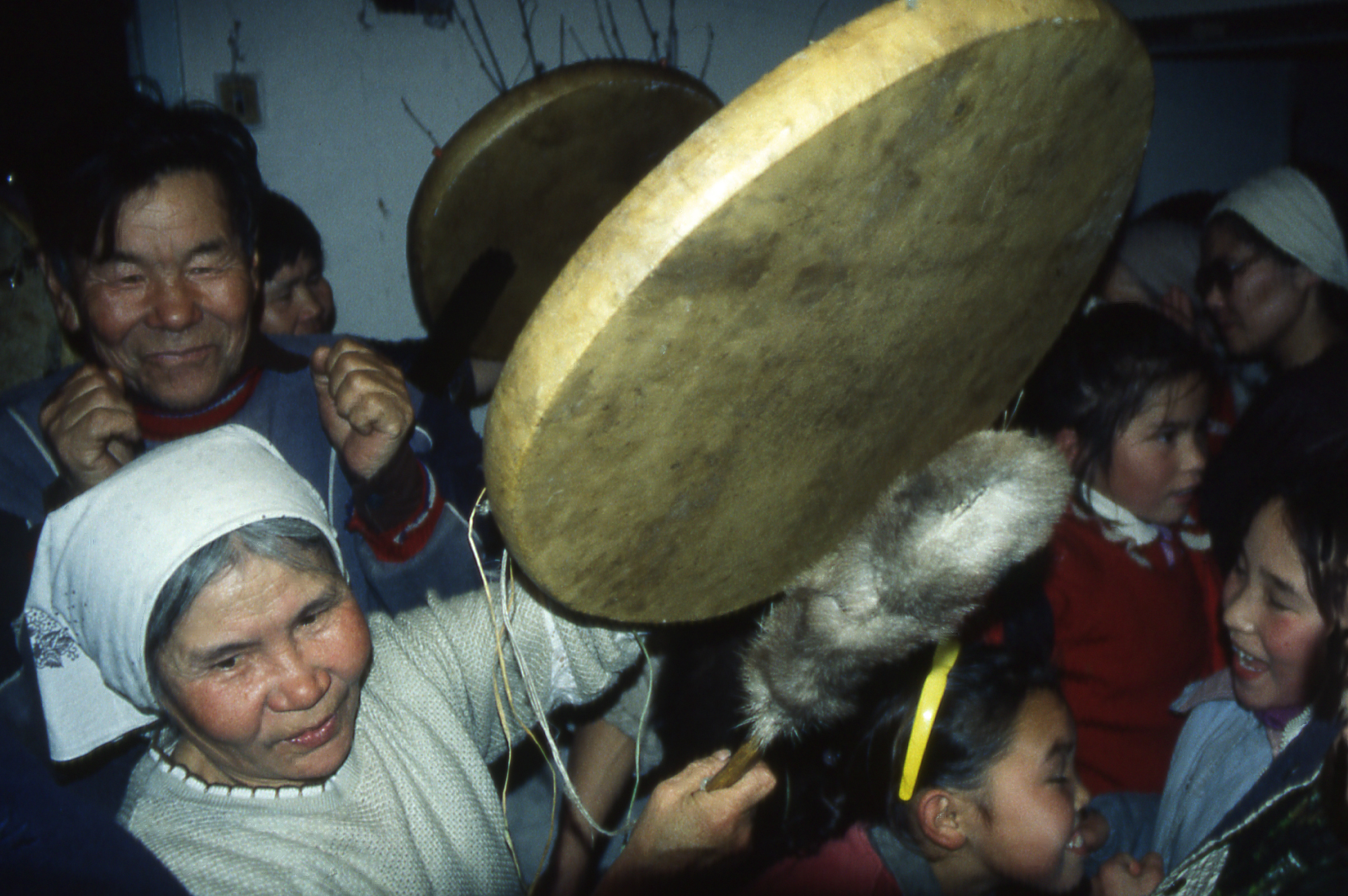
The indigenous peoples of the North draw on their worldviews to try to account for their often precarious experience of the environment, as well as the causes of illnesses and to have a favorable influence on these through appropriate behavior. This often happens through special mediators in between worlds, especially with the help of shamans. Other individual or collective rituals are also supposed to contribute to the reconciliation with the powers of nature that they consider themselves to be a part of.

Worldview and ritual are extensively documented here for the Nymylans (coastal Koryaks) from the west coast of Kamchatka and for Evens living in central Kamchatka.
Worldviews and rituals

Shamans

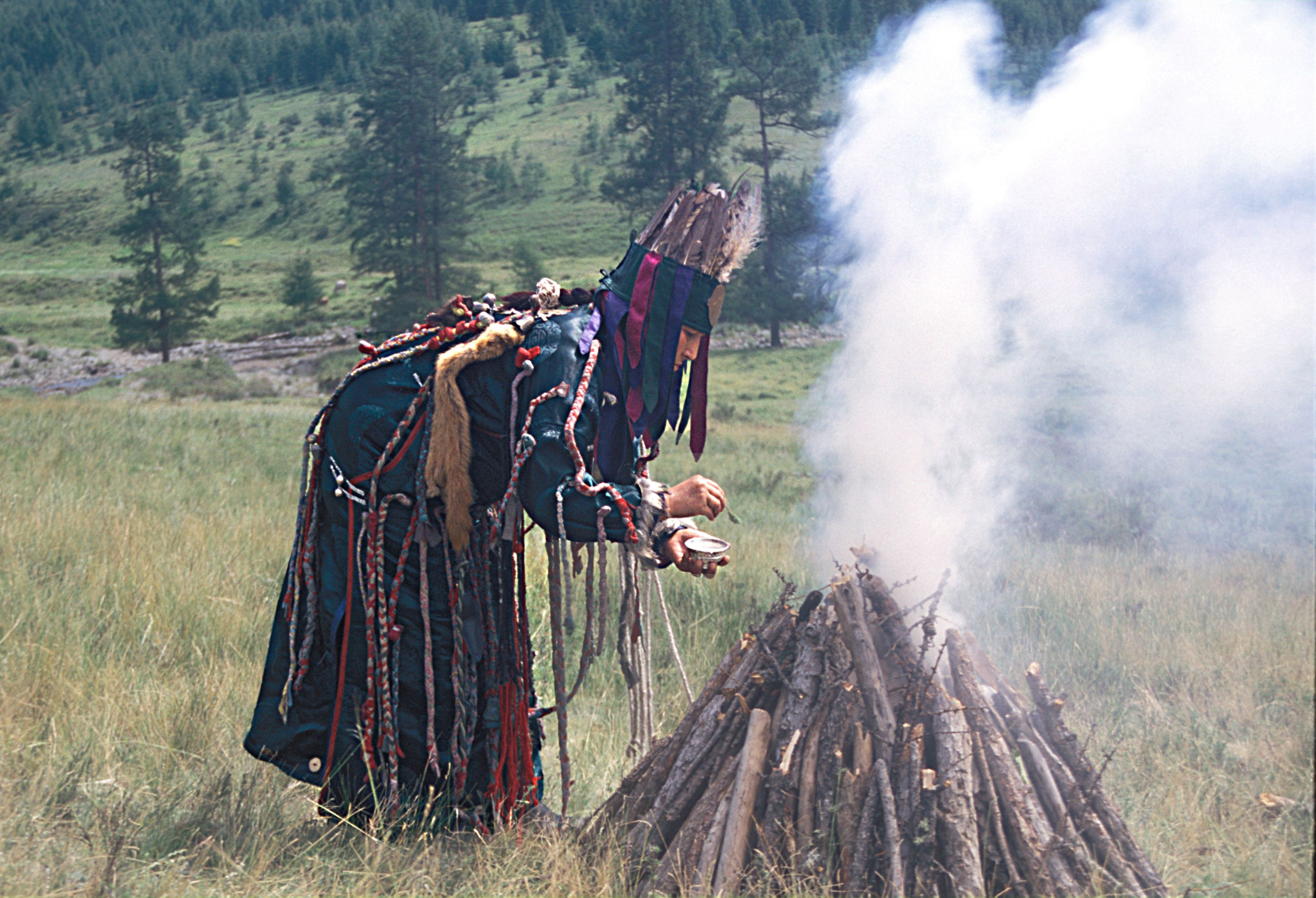
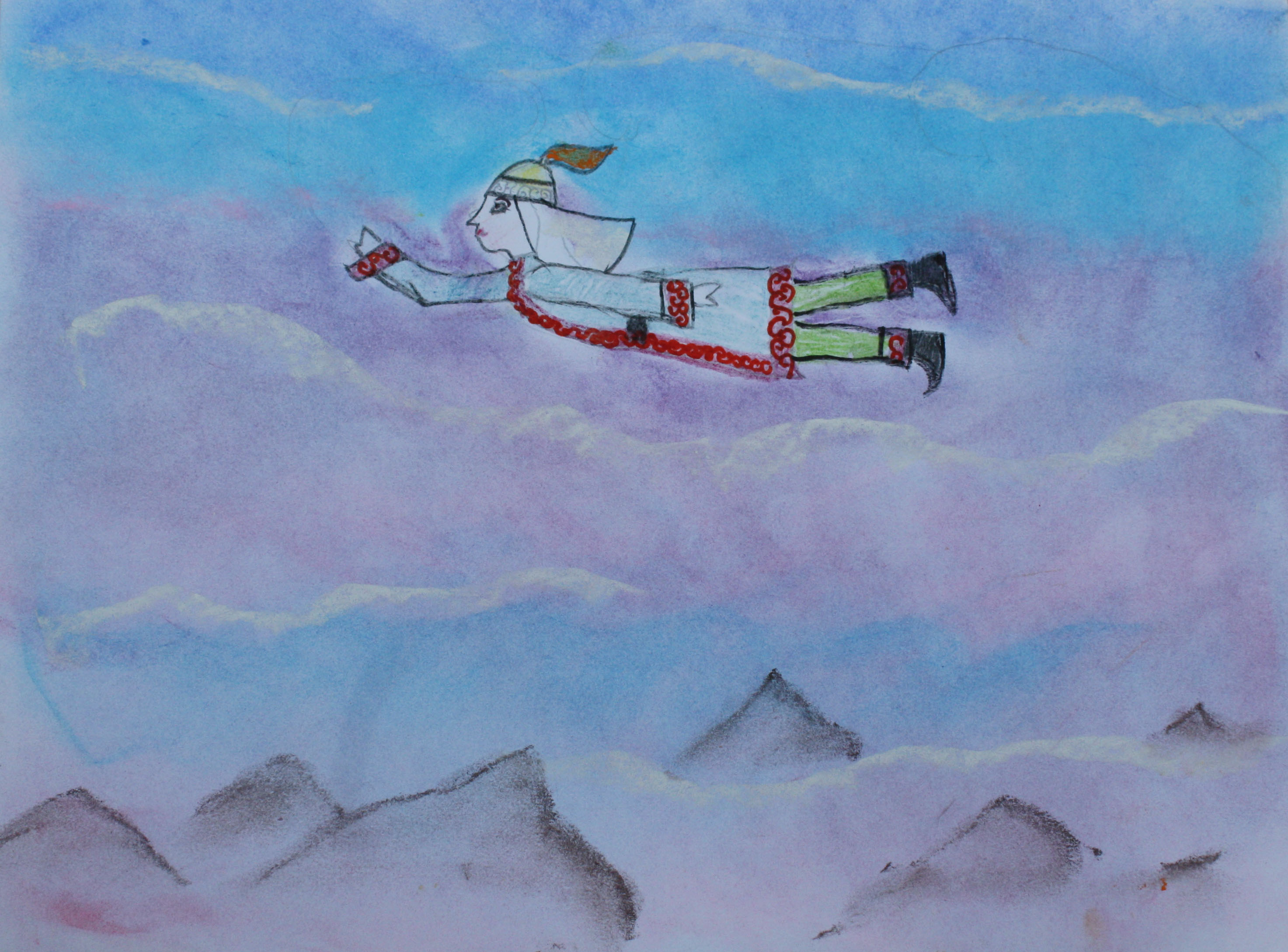
Shamans of Siberia was the theme of an exhibition at the Linden-Museum in Stuttgart. Exhibits and documentaries offered insights into their universe and rituals. The exhibition also showed how shamanistic worldviews have found expression in contemporary indigenous and western art. Shamanistic rituals that are part of the cultural heritage of Siberian indigenous peoples were represented during choreographed performances by mainly young dancers. The art of flying is an important shamanistic motif, and was the theme of the exhibition The Dream of Flying at the Haus der Kulturen der Welt in Berlin. Nanai, Even and Koryak shamans and their acts have been documented by the Foundation for Siberian Cultures in word and image.

Shamans

Feasts of reconciliation with nature

The Nymylan (coastal Koryak) and Chavchuven (reindeer-herding Koryak) celebrate their feasts of reconciliation at particular moments and on special occasions in connection with the principal facets of their life. The O-lo-lo Feast of the Nymylan is meant to reconcile them with the souls of the animals killed during the last year,principally seal and snow sheep. The Kho-lo-lo Feast of the Koryak on Kamchatka’s eastern coast is similar. As for the Chavchuven, the principal subject of interest in this respect is the fertility of the reindeer. This is why their Kilvei Feast always takes place in May, when the young reindeer are born. The tradition of Itelmen feasts similar to those of the coastal Koryak is no longer alive. However, during Perestroika and as an act of cultural reaffirmation, the Itelmen revived a former ritual practice in the form of the Alkhalalalai Feast, which nowadays can be seen foremost as a celebration of Itelmen identity. The feasts of the community also provide a suitable framework with which to confirm and develop social relations through family songs and dances (see the Ololo Feast) or by presenting offerings to ancestors (see the Kilvei Feast). At times, ancestors in the shape of animals may appear in the potlatch feasts of the First Nations peoples on Canada’s Pacific coast.

Feasts of reconciliation with nature

Sacred Places and individual rituals

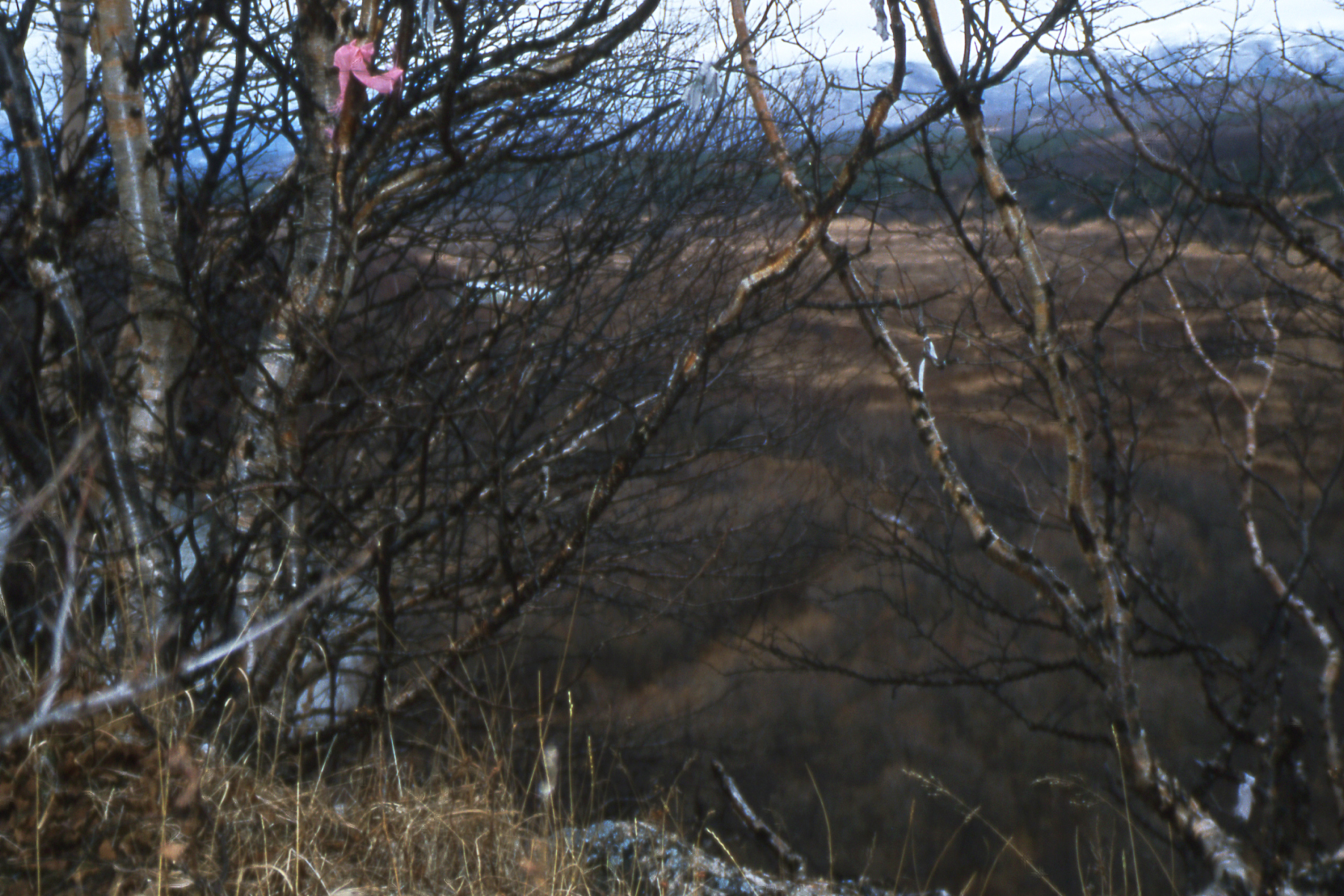
Apart from the seasonal feasts of the community, Even and Koryak also pay homage spontaneously to their ancestors and the masters or keepers of nature at specific sacred sites or through gifts to the fire, which is seen as a means towards connecting with other worlds.

Sacred Places and individual rituals